
That vague ache at the back of your jaw, the one you’ve been meaning to get checked, is exactly how most wisdom tooth problems begin. Not with a dramatic emergency, but with a quiet, easy-to-dismiss discomfort that gets postponed until it can no longer be ignored. If that sounds familiar, this guide is for you.
The Tooth That Was Never Really Meant to Fit

Third molars are evolutionary leftovers. Modern human jaws are simply smaller than our ancestors’, meaning there is frequently insufficient space for them to emerge correctly.
When wisdom teeth attempt to erupt, typically between 17 and 25, they often run out of room, pushing against neighbouring teeth, angling sideways, or remaining trapped beneath the gum as an impacted molar. What most people don’t realise is that an impacted molar doesn’t always hurt. It can silently damage adjacent teeth or contribute to bone loss without obvious symptoms.
Read More: Wisdom Tooth Removal: Pain Management Tips You Need to Know
What Your Jaw Is Actually Trying to Tell You
The signals are easy to misread. A recurring ache at the back of your mouth could be a wisdom tooth. Puffy gums that bleed near the back are worth a professional look. Persistent bad breath despite careful brushing? Bacteria around a partially erupted third molar are a common culprit.
Some residents also notice jaw stiffness or a low-grade headache near the ear. These symptoms don’t automatically mean wisdom teeth extraction is necessary, but they do mean a dental assessment, including X-rays, is overdue.
Why X-Rays Change Everything
Here’s something that surprises many patients: a dentist cannot fully assess your wisdom teeth by looking in your mouth alone. What matters, the angle of the root, the proximity to the nerve, the degree of impaction, what’s happening to the neighbouring tooth, is all happening beneath the gumline, invisible without imaging.
A panoramic dental X-ray captures all four wisdom teeth simultaneously and gives your dentist a complete clinical picture. It’s the difference between guessing and knowing. And knowing, in this context, is what determines whether you need wisdom teeth removal now, whether monitoring is appropriate, or whether your third molars are sitting in a position that poses no current concern.
Not every wisdom tooth needs to come out. That’s genuinely true, and worth stating clearly. Wisdom teeth extraction is not a default recommendation, it’s a clinical decision based on your individual anatomy, the behaviour of your specific teeth, and whether there is current or likely future risk to your oral health.
When Removal Is the Right Conversation to Have
If your dental X-rays show an impacted molar angled toward the adjacent tooth, or a partially erupted wisdom tooth with a persistent infection risk, your dentist will discuss wisdom teeth surgery as an option, explaining exactly what the procedure involves, what recovery typically looks like, and what happens if you choose to monitor rather than act.
Wisdom teeth surgery sounds more intimidating than it generally is. For teeth that are partially or fully submerged in bone, a small, precise incision allows your dentist to access and remove the tooth, sometimes in sections, for controlled removal. Local anaesthesia is used throughout. For patients who feel anxious about the procedure, sedation options can be discussed beforehand.
Recovery is genuinely different for everyone. Some patients are back to their normal routine within two days. Others experience swelling and tenderness for longer, particularly following more complex extractions. Your dental team will give you a realistic picture of what to expect based on your specific procedure, not a generic timeline.
The Younger You Act, The More Options You Have
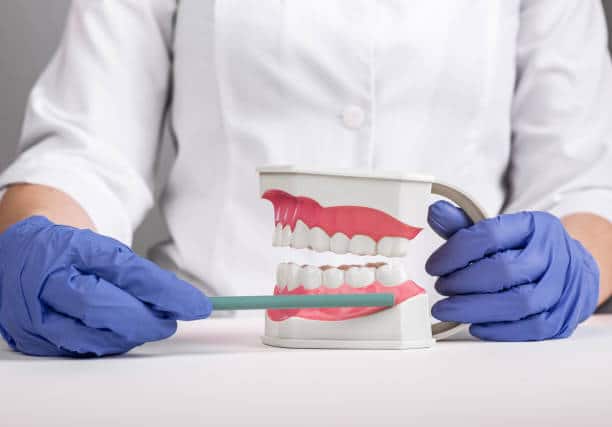
There’s one piece of clinical context that Kangaroo Point residents in their late teens and early twenties particularly should know: wisdom teeth removal is generally less complex when performed earlier, before roots are fully formed and the surrounding bone is less dense.
This isn’t a reason to rush into an unnecessary extraction. It’s a reason to get assessed. Knowing where your wisdom teeth stand, via a proper X-ray evaluation, means you’re making decisions based on actual clinical information rather than hoping the discomfort eventually goes away.
For parents, it’s worth raising wisdom tooth monitoring with your teenager’s dentist during routine check-ups. Early visibility into how the third molars are developing creates options that simply aren’t available once problems are established.
Getting Assessed Without the Hassle
Significant Smiles is easily accessible from Kangaroo Point by car or a short ferry ride across the river. Our general dentistry team provides thorough wisdom tooth assessments, including dental X-rays and a clear, unhurried explanation of what we find.
We offer same-day appointments for patients experiencing acute wisdom tooth pain, and interest-free payment plan options are available (subject to approval and terms and conditions).
Disclaimer
All content on this website is intended for general information and does not replace professional dental consultation.